Embarking on the journey of parenthood can be both exciting and overwhelming, especially for new parents. In this guide to parenting tips, we’ll explore essential advice to help you navigate this new chapter with confidence and ease.
From creating a safe home environment to establishing healthy routines and building strong parent-child relationships, these tips are designed to support you every step of the way.
Benefits of Parenting Tips for New Parents
Parenting tips for new parents play a crucial role in providing guidance and support during the challenging journey of raising children. These tips are designed to help new parents navigate the uncertainties and complexities of parenthood with confidence and ease.
Empowering New Parents
- Parenting tips empower new parents by offering practical advice on various aspects of childcare, such as feeding, sleeping, and development.
- By following these tips, parents can feel more informed and prepared to handle the responsibilities that come with raising a child.
Building Healthy Parent-Child Relationships
- Effective parenting tips promote positive parent-child relationships by emphasizing the importance of communication, respect, and understanding.
- By implementing these tips, parents can create a nurturing and supportive environment that fosters emotional bonding and trust with their children.
Promoting Overall Well-Being
- Following parenting tips can contribute to the overall well-being of both parents and children by reducing stress and anxiety associated with parenting.
- These tips encourage self-care practices for parents, such as prioritizing rest, seeking support, and maintaining a healthy work-life balance.
Creating a Safe Home Environment

Creating a safe home environment is crucial for the well-being and safety of infants and toddlers. As curious explorers, young children are prone to accidents and injuries, making it essential for parents to childproof their homes.
Childproofing the House
Childproofing your house involves taking measures to eliminate potential hazards and create a safe space for your little ones to roam freely. Here are some tips to childproof your home:
- Install safety gates at the top and bottom of staircases to prevent falls.
- Secure heavy furniture and TVs to the wall to prevent tipping.
- Cover sharp corners of furniture with corner guards to prevent injuries.
- Keep small objects and choking hazards out of reach.
- Lock away cleaning products, medications, and other toxic substances.
Childproofing your home is an ongoing process as your child grows and discovers new ways to get into mischief.
Importance of Safety Features
Installing safety features in your home adds an extra layer of protection for your little ones. Here are some safety features to consider:
- Use outlet covers to prevent electrical shocks.
- Install cabinet locks to keep harmful substances out of reach.
- Place window guards to prevent falls from open windows.
- Use stove knob covers to prevent accidental burns or fires.
Establishing Healthy Routines
Establishing healthy routines plays a crucial role in a child’s development as it provides structure, predictability, and a sense of security for the child. Consistency in routines helps children feel safe and can aid in their emotional regulation and overall well-being.
Creating a Daily Schedule
Creating a daily schedule for feeding, napping, and playtime can help parents and children alike. Here are some tips for establishing healthy routines:
- Set consistent times for meals and snacks to regulate hunger cues and promote healthy eating habits.
- Establish a regular bedtime and naptime to ensure that your child gets enough rest for optimal growth and development.
- Incorporate playtime into the daily schedule to promote physical activity, creativity, and social interaction.
Benefits of Consistency in Routines
Consistency in routines benefits both parents and children in several ways:
- Helps children feel secure and develop a sense of stability in their daily lives.
- Reduces power struggles and meltdowns by providing clear expectations and boundaries.
- Allows parents to plan their day more effectively and manage their time better.
- Promotes healthy habits and self-regulation skills in children, leading to better behavior and emotional well-being.
Building Strong Parent-Child Relationships
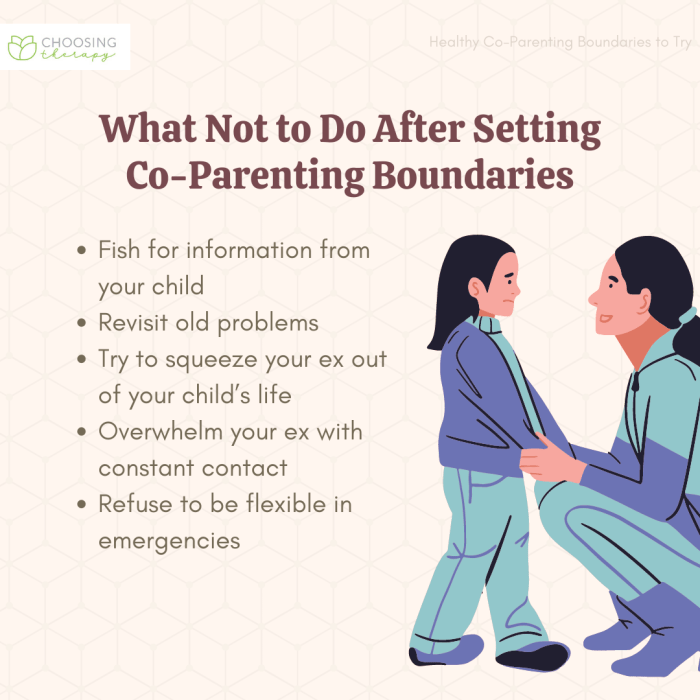
Building a strong bond with your child from an early age is crucial for their overall well-being and development. Positive parent-child relationships can have a lasting impact on a child’s emotional and social growth, laying the foundation for healthy relationships in the future.
The Importance of Fostering Communication and Trust
Effective communication is key to building a strong relationship with your child. Encourage open and honest discussions, actively listen to their thoughts and feelings, and validate their emotions. By fostering trust through communication, your child will feel secure and supported, enhancing the parent-child bond.
- Regularly engage in conversations with your child to understand their perspective.
- Encourage them to express their emotions and thoughts without judgment.
- Be an active listener, showing empathy and understanding towards their concerns.
- Establish trust by keeping promises and being consistent in your actions.
The Impact on Emotional Development
Positive parent-child relationships play a crucial role in a child’s emotional development. When children feel loved, valued, and understood by their parents, they are more likely to develop a strong sense of self-worth and confidence. This emotional security provides a solid foundation for healthy relationships with others and promotes overall well-being.
- Children who have supportive relationships with their parents are better equipped to handle stress and navigate challenging situations.
- A strong parent-child bond fosters a sense of belonging and acceptance, contributing to positive self-esteem.
- Emotionally connected children are more likely to exhibit empathy and compassion towards others.
- Building a secure attachment with your child can enhance their emotional resilience and coping skills in the face of adversity.
Incorporating Educational Activities
Introducing educational activities into your child’s daily routine can have a significant impact on their cognitive development and overall learning experience.
Age-Appropriate Educational Games and Toys
Choosing toys and games that are suitable for your child’s age and developmental stage is crucial for maximizing their learning potential. Here are some ideas for age-appropriate educational activities:
- Building blocks or puzzles to enhance problem-solving skills
- Interactive books with textures and sounds to promote sensory development
- Educational apps or computer programs for early exposure to technology
- Board games that teach counting, colors, and shapes
Benefits of Stimulating Cognitive Development
Engaging your child in educational play not only fosters a love for learning but also helps in their cognitive development. Here are some benefits of incorporating educational activities:
- Improves memory retention and critical thinking skills
- Enhances language and communication abilities
- Boosts creativity and imagination
- Encourages curiosity and a thirst for knowledge
Concluding Remarks
As you embrace these parenting tips for new parents, remember that each day is a new opportunity to learn and grow with your child. By focusing on safety, routines, relationships, and education, you’re laying a strong foundation for a fulfilling parenting journey ahead.
Questions Often Asked
What are some creative ways to childproof a home?
Consider using corner guards, safety gates, and door knob covers in addition to the standard safety measures.
How can parents maintain consistency in routines?
Setting clear expectations and following a daily schedule can help establish consistent routines for both parents and children.
Why is fostering communication important in parent-child relationships?
Open communication builds trust, strengthens bonds, and enhances the emotional connection between parents and children.
What are some educational activities suitable for infants?
Activities like reading books, singing songs, and playing with colorful toys can stimulate cognitive development in infants.