Real estate pricing trends in major cities A comprehensive analysis

Real estate pricing trends in major cities

Kicking off with Real estate pricing trends in major cities, get ready to dive into the exciting world of real estate economics! From bustling metropolitan areas to serene coastal cities, we’ll explore the factors shaping pricing trends and how technology and sustainability play a role.

Overview of Real Estate Pricing Trends in Major Cities

In recent years, real estate pricing trends in major cities have been a topic of interest and concern for many individuals and industries. The fluctuations in prices can be influenced by a variety of factors, including supply and demand dynamics, economic conditions, and market speculation.

Factors Influencing Real Estate Pricing Trends

  • Supply and Demand: Real estate pricing in major cities is heavily influenced by the balance between the supply of available properties and the demand from potential buyers. When demand exceeds supply, prices tend to increase, and vice versa.
  • Economic Conditions: The overall economic health of a city, including factors such as employment rates, GDP growth, and interest rates, can impact real estate pricing trends. A strong economy generally leads to higher prices, while a recession may result in price declines.
  • Market Speculation: Speculative activities by investors and developers can also play a significant role in shaping real estate pricing trends. Speculation can lead to price bubbles or sudden price drops, affecting the overall market stability.

Comparison of Pricing Trends in Different Types of Major Cities

Real estate pricing trends can vary significantly between different types of major cities. Metropolitan areas, coastal cities, and inland cities each have unique characteristics that influence their respective pricing trends.

City Type Characteristics Pricing Trends
Metropolitan Areas High population density, strong job markets, and diverse amenities. Generally higher prices due to high demand and limited space for new developments.
Coastal Cities Scenic views, access to beaches, and recreational opportunities. Prices can fluctuate based on seasonal demand and environmental factors like climate change.
Inland Cities Lower population density, affordability, and potential for urban growth. Prices may be more stable but can still be influenced by local economic conditions and infrastructure development.

Impact of Economic Factors on Real Estate Pricing

Real estate pricing trends in major cities are heavily influenced by various economic factors that shape the overall market conditions. These economic indicators play a crucial role in determining the demand and supply dynamics of the real estate sector, thereby impacting property prices.

GDP Growth

  • Strong GDP growth typically leads to higher disposable incomes, increased consumer confidence, and greater investments in real estate.
  • A booming economy can result in higher demand for properties, leading to an appreciation in real estate prices.
  • For example, cities like San Francisco and Seattle experienced significant real estate price increases during periods of robust GDP growth.

Interest Rates

  • Fluctuations in interest rates can directly impact the cost of borrowing for homebuyers, influencing their purchasing power.
  • Low-interest rates attract more buyers into the market, driving up demand and pushing real estate prices higher.
  • Conversely, high-interest rates can deter potential buyers, leading to a decrease in demand and a subsequent decline in property prices.

Employment Rates

  • Healthy employment rates indicate a strong job market, which can boost demand for housing as individuals seek accommodation near their workplaces.
  • Cities with low unemployment rates often experience a surge in population growth, driving up housing demand and prices.
  • During economic downturns or recessions, rising unemployment levels can lead to a decrease in demand for real estate, causing prices to fall.

Global Economic Events

  • Global economic events like trade wars, geopolitical tensions, or financial crises can have ripple effects on local real estate markets.
  • Uncertainty in global markets can lead to investors seeking safe havens in real estate, driving up property prices in major cities.
  • Conversely, economic instability abroad can result in capital flight from real estate markets, causing a decline in property values.

Technological Innovations and Real Estate Pricing

In today’s rapidly evolving real estate market, technological innovations play a crucial role in shaping pricing strategies and consumer behavior. Advancements in AI, virtual reality, and big data analytics have revolutionized how real estate agencies operate and predict pricing trends.

Impact of AI on Real Estate Pricing

AI algorithms have the ability to analyze vast amounts of data to identify patterns and predict future pricing trends. Real estate agencies are leveraging AI-powered tools to generate accurate property valuations, optimize pricing strategies, and anticipate market fluctuations.

Virtual Reality in Real Estate

Virtual reality technology enables potential buyers to take virtual tours of properties from the comfort of their own homes. This immersive experience helps them make informed decisions without physically visiting the property, influencing their perception of pricing and increasing the likelihood of a sale.

Big Data Analytics in Pricing Strategies

Big data analytics allow real estate agencies to analyze market data, consumer preferences, and economic indicators to adjust pricing strategies accordingly. By understanding trends and patterns, agencies can set competitive prices and attract more buyers.

Role of Online Platforms and Apps

Online platforms and apps have transformed how consumers search for properties, compare prices, and interact with real estate agents. These platforms provide real-time market information, virtual tours, and personalized recommendations, influencing consumer behavior and shaping pricing perceptions in the real estate market.

Sustainability Trends in Real Estate Pricing

In recent years, sustainability has become a key factor in determining real estate prices in major cities. With the increasing focus on environmental conservation and energy efficiency, properties with green features are gaining popularity among buyers and investors.Energy-efficient features such as solar panels, smart thermostats, and high-quality insulation can significantly impact property values in urban areas. Not only do these features reduce utility costs for homeowners, but they also contribute to a healthier and more sustainable living environment.Furthermore, properties that have received LEED (Leadership in Energy and Environmental Design) certifications are often perceived as more valuable due to their commitment to sustainable practices.

These certifications not only validate a property’s green credentials but also provide assurance to buyers about the property’s long-term sustainability.

Impact of Energy-Efficient Features on Property Values

  • Properties with energy-efficient features command higher prices in major cities due to their lower utility costs and reduced environmental impact.
  • Homes with solar panels or geothermal heating systems are particularly sought after for their long-term cost savings and environmental benefits.
  • Investing in energy-efficient upgrades can not only increase property values but also attract eco-conscious buyers looking for sustainable living options.

Importance of LEED Certifications in Real Estate

  • Properties with LEED certifications are seen as premium real estate investments as they demonstrate a commitment to sustainable building practices.
  • LEED-certified buildings often have higher resale values and can command premium rents in the rental market.
  • Buyers are willing to pay a premium for properties with LEED certifications due to the added assurance of quality, sustainability, and energy efficiency.

Home Family Home Improvement and Furniture

Real estate pricing trends in major cities

Real estate pricing trends in major cities have a significant impact on the home improvement and furniture markets. As property values fluctuate, homeowners are often motivated to invest in renovations and updates to increase the value of their homes. Similarly, furniture styles and trends are influenced by the overall real estate pricing dynamics in a region.

Popular Home Improvement Projects

  • Kitchen Remodeling: With the kitchen being the heart of the home, investing in modernizing this space can significantly increase property value.
  • Bathroom Renovations: Upgrading bathrooms with modern fixtures and finishes can also have a positive impact on home value.
  • Outdoor Living Spaces: Creating functional outdoor spaces like patios or decks can enhance the overall appeal of a property.

Furniture Styles Influenced by Real Estate Pricing

  • Minimalist Designs: In cities with high real estate prices, minimalist furniture styles are popular as they create a sense of space and modernity.
  • Multifunctional Furniture: In smaller homes or condos in expensive cities, multifunctional furniture pieces are sought after to maximize space.
  • Sustainable Materials: With the growing focus on sustainability, furniture made from eco-friendly materials is a trend influenced by real estate pricing dynamics.

Tips for Aligning Home Improvement Investments

  • Research Market Trends: Stay informed about real estate pricing trends in your city to make informed decisions about home improvement projects.
  • Focus on High-ROI Projects: Invest in renovations that have a high return on investment and are aligned with the current market demands.
  • Consider Long-Term Value: Choose upgrades that not only enhance your living space but also add value to your property in the long run.

Home Security

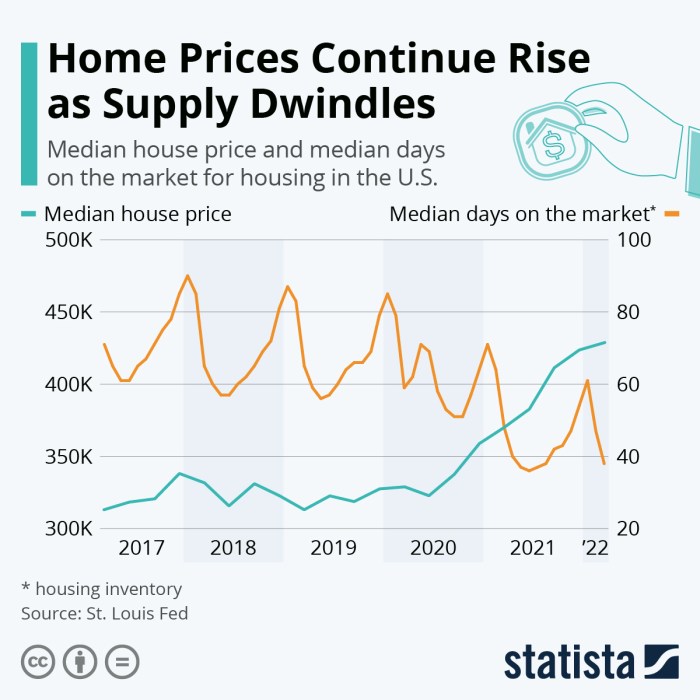
Median climb redfin pending mortgage continues state remains climbing keep

The importance of home security in major cities goes hand in hand with real estate pricing trends. As urban areas become more densely populated, the need for secure living spaces becomes increasingly crucial. Homebuyers are willing to pay a premium for properties that offer advanced security features and systems, especially in competitive real estate markets where safety and peace of mind are top priorities.

Impact of Security Features on Property Values

Innovative home security solutions can significantly impact property values and buyer perceptions. Features such as smart locks, security cameras, alarm systems, and motion sensors not only enhance the safety of a property but also increase its market value. In major cities where crime rates can be a concern, homes equipped with state-of-the-art security technology are often more attractive to potential buyers.

  • Smart Locks: These keyless entry systems provide convenience and enhanced security by allowing homeowners to control access to their property remotely.
  • Security Cameras: Surveillance cameras offer round-the-clock monitoring and deter potential intruders, providing homeowners with an added sense of security.
  • Alarm Systems: Advanced alarm systems can alert homeowners and authorities in case of a security breach, ensuring a quick response to emergencies.
  • Motion Sensors: Motion-activated lights and sensors can detect movement around the property, deterring trespassers and enhancing overall security.

Real Estate Investment Strategies

Investing in real estate can be a lucrative endeavor, especially when tailored to capitalize on pricing trends in major cities. By strategically diversifying your real estate portfolio across different cities with varying pricing trends, you can mitigate risks and maximize returns. Identifying undervalued properties and predicting future pricing trends are essential skills for successful real estate investors.

Benefits of Diversifying Real Estate Portfolios

Diversifying your real estate portfolio across different cities with varying pricing trends offers several benefits:

  • Reduced risk exposure: By spreading your investments across multiple markets, you can minimize the impact of a downturn in any single market.
  • Increased potential for higher returns: Investing in cities with different pricing trends can help you capture opportunities for growth and capitalize on market fluctuations.
  • Enhanced portfolio resilience: Diversification can help protect your investments against unforeseen events or economic uncertainties.

Tips for Identifying Undervalued Properties

Identifying undervalued properties is crucial for maximizing your real estate investment returns. Here are some tips to help you spot these opportunities:

  • Research local market trends and economic indicators to identify areas with potential for growth.
  • Look for properties that are priced below market value due to factors like outdated amenities, cosmetic issues, or motivated sellers.
  • Consider working with a real estate agent or professional who has expertise in the local market and can help you identify undervalued properties.

Predicting Future Pricing Trends in Major Cities

Predicting future pricing trends in major cities requires a combination of market research, economic analysis, and industry knowledge. Here are some strategies to help you forecast future pricing trends:

  • Monitor key economic indicators such as job growth, population growth, and development projects to gauge the health of the local real estate market.
  • Stay informed about government policies, zoning regulations, and infrastructure projects that could impact property values in major cities.
  • Study historical pricing data and market trends to identify patterns and make informed predictions about future pricing trends.

Final Review

As we wrap up our discussion on real estate pricing trends in major cities, remember to keep an eye on economic factors, technological innovations, and sustainability practices. By understanding these trends, you’ll be better equipped to navigate the dynamic real estate market with confidence.

FAQ Explained

How do economic conditions influence real estate pricing trends?

Economic conditions such as GDP growth and interest rates can impact supply and demand, ultimately affecting real estate prices in major cities.

What role does technology play in predicting real estate pricing trends?

Technological advancements like AI and big data analytics are being used by real estate agencies to forecast pricing trends with greater accuracy.

Why is sustainability becoming increasingly important in real estate pricing?

Sustainability practices and green buildings are gaining importance as they can positively impact property values and long-term appreciation in major cities.

Real estate investment trusts (REITs) Your Guide to Smart Property Investing

Real estate investment trusts (REITs)

Dive into the world of Real estate investment trusts (REITs) where lucrative property investments await, offering a unique blend of benefits and risks that every investor should know.

Unravel the secrets behind REITs, from the types of properties they invest in to the tax implications and dividends that shape this profitable investment landscape.

Introduction to Real Estate Investment Trusts (REITs)

Real Estate Investment Trusts, or REITs, are companies that own, operate, or finance income-producing real estate across a range of property sectors. These companies allow individuals to invest in real estate without having to buy, manage, or finance any properties themselves.

Benefits of Investing in REITs

  • Dividend Income: REITs are required to distribute at least 90% of their taxable income to shareholders in the form of dividends.
  • Diversification: Investing in REITs provides exposure to a diversified portfolio of real estate assets, reducing risk.
  • Liquidity: REITs are traded on major stock exchanges, providing investors with liquidity compared to owning physical real estate.
  • Potential for Capital Appreciation: As the value of the underlying real estate properties in which REITs invest increases, the share prices of REITs can also appreciate.

Types of Properties REITs Typically Invest In

  • Residential: Including apartment buildings, single-family homes, and student housing.
  • Commercial: Such as office buildings, shopping malls, and industrial warehouses.
  • Healthcare: Including hospitals, medical office buildings, and senior living facilities.
  • Hospitality: Such as hotels and resorts.

How REITs Work

REITs, or Real Estate Investment Trusts, work by pooling investors’ money to purchase, operate, and manage income-producing real estate properties. By investing in REITs, individuals can gain exposure to the real estate market without having to buy and manage properties themselves.

Generating Income for Investors

REITs generate income for investors primarily through rental income earned from properties in their portfolio. This rental income is distributed to shareholders in the form of dividends.

Tax Implications of Investing in REITs

Investing in REITs has tax implications as they are required by law to distribute at least 90% of their taxable income to shareholders in the form of dividends. This means that investors are subject to paying taxes on the dividends they receive from REIT investments.

Role of Dividends in REIT Investments

Dividends play a crucial role in REIT investments as they are the main source of income for investors. The consistent distribution of dividends by REITs is one of the key attractions for investors looking for steady income streams in their investment portfolios.

Pros and Cons of Investing in REITs

Investing in Real Estate Investment Trusts (REITs) can offer several advantages and disadvantages for investors. Let’s take a closer look at the pros and cons of investing in REITs.

Advantages of Investing in REITs

  • High Dividend Yields: REITs are required to distribute at least 90% of their taxable income to shareholders in the form of dividends, making them attractive for income-seeking investors.
  • Diversification: Investing in REITs allows investors to diversify their real estate holdings without the need to directly purchase properties.
  • Liquidity: REITs are traded on major stock exchanges, providing investors with liquidity compared to owning physical real estate properties.
  • Professional Management: REITs are managed by experienced professionals who handle property acquisition, management, and leasing, saving investors the hassle of managing properties themselves.

Risks Associated with REIT Investments

  • Interest Rate Sensitivity: REITs can be sensitive to changes in interest rates, as higher rates can increase borrowing costs and reduce profitability.
  • Market Risk: Like any other stock, the value of REIT shares can fluctuate based on market conditions, potentially leading to capital loss for investors.
  • Regulatory Risk: Changes in regulations or tax laws can impact the operations and profitability of REITs, affecting investor returns.
  • Property Market Risks: REITs are exposed to risks in the real estate market, such as oversupply, vacancy rates, or economic downturns, which can affect property values and rental income.

Comparison with Other Real Estate Investment Options

  • Direct Real Estate Investment: Investing directly in real estate properties provides investors with more control but requires significant capital, time, and expertise to manage properties.
  • Real Estate Mutual Funds: Real estate mutual funds pool investors’ money to invest in a diversified portfolio of real estate assets, offering professional management and diversification but may have higher fees.
  • Crowdfunding Platforms: Real estate crowdfunding platforms allow investors to participate in real estate projects with lower investment amounts, but lack the direct ownership benefits of REITs.
  • Real Estate Limited Partnerships: Limited partnerships offer tax benefits but typically require higher capital commitments and limited liquidity compared to REIT investments.

Home Family, Home Improvement, and Furniture

Investing in Real Estate Investment Trusts (REITs) can have a significant impact on the home improvement industry, residential properties, and even furniture companies. Let’s explore how REITs influence these sectors.

REITs and Home Improvement Industry

REITs can indirectly impact the home improvement industry by investing in properties that require renovations or upgrades. When REITs acquire properties in need of improvement, they often collaborate with contractors and home improvement companies to enhance the value of these assets. This can lead to increased demand for home improvement services and products, benefiting the industry as a whole.

REITs and Residential Properties

REITs primarily invest in income-generating properties, including residential real estate. By acquiring and managing residential properties such as apartment buildings, single-family homes, and condominiums, REITs generate rental income for their investors. This can provide stability and diversification to the real estate market, as well as offer individuals the opportunity to invest in residential properties without the hassle of ownership.

REITs and Furniture Companies

REITs can also have an indirect relationship with furniture companies. When REITs acquire or develop residential properties, they often furnish these units to attract tenants or buyers. This creates a demand for furniture and home decor products, benefiting furniture companies that cater to the real estate market. Additionally, as REITs invest in commercial properties such as shopping centers and malls, they contribute to the success of furniture retailers by providing them with prime locations to showcase their products.

Home Security

Real estate investment trusts (REITs)

Real Estate Investment Trusts (REITs) play a crucial role in the home security sector by investing in properties with enhanced security features and collaborating with home security companies.

Role of REITs in Home Security

REITs focus on investing in properties that prioritize security measures to ensure the safety and well-being of tenants. These properties often include features such as gated entrances, surveillance cameras, alarm systems, and security personnel.

Investing in Properties with Enhanced Security Features

  • REITs strategically choose properties with advanced security systems to attract tenants who prioritize safety.
  • Investments in properties with enhanced security features help in increasing property value and rental income.
  • Collaboration with security experts allows REITs to stay updated on the latest security technologies and implement them in their properties.

Examples of REITs Collaborating with Home Security Companies

  • ABC REIT partners with a leading home security company to install smart security systems in all their rental properties, offering tenants peace of mind.
  • XYZ REIT invests in properties located in gated communities with round-the-clock security patrols, ensuring a secure living environment for residents.

Real Estate Trends

The real estate market is constantly evolving, and it’s essential for investors to stay informed about the latest trends that can impact their REIT investments. From technological advancements to sustainability initiatives, these trends play a crucial role in shaping the future of real estate and REITs.

Impact of Technological Advancements

Technological advancements have revolutionized the way real estate is bought, sold, and managed. For REITs, embracing technology is crucial to staying competitive and maximizing returns. From virtual property tours to AI-powered analytics for investment decisions, technology is reshaping the real estate landscape.

Sustainability Trends in Real Estate

Sustainability has become a key focus in the real estate industry, with investors increasingly looking for environmentally-friendly and energy-efficient properties. REITs are incorporating sustainable practices such as green building certifications, energy-efficient upgrades, and renewable energy sources to attract socially conscious investors and reduce operational costs.

End of Discussion

Real estate investment trusts (REITs)

As we wrap up our journey through the realm of Real estate investment trusts (REITs), remember the golden rule of smart investing: knowledge is power. Armed with insights on the pros and cons, property types, and market trends, you’re ready to make informed decisions in the world of REIT investments.

User Queries

What types of properties do REITs typically invest in?

REITs usually invest in a variety of properties such as commercial real estate, residential complexes, and even infrastructure projects.

How do REITs generate income for investors?

REITs generate income through rental payments from tenants of the properties in their portfolio, which is then distributed to shareholders as dividends.

What are the advantages of investing in REITs?

Investing in REITs provides diversification, high liquidity, and the opportunity to earn passive income without directly owning physical properties.

What are the risks associated with REIT investments?

Risks include interest rate fluctuations, property market volatility, and specific risks related to the types of properties in a REIT’s portfolio.

How do technological advancements impact REIT investments?

Technological advancements can enhance property management, tenant experiences, and operational efficiencies, ultimately benefiting REITs and their investors.

Real estate market trends in 2025 A Glimpse into the Future of Property

Real estate market trends in 2025

Embark on a journey through the crystal ball of real estate as we delve into the anticipated trends shaping the market in 2025. From technology to sustainability, get ready to explore what lies ahead!

Real Estate Market Trends in 2025

The real estate market in 2025 is expected to see significant changes in demand for residential properties due to various factors such as shifting demographics, economic conditions, and lifestyle preferences.

Predicted Changes in Demand for Residential Properties

  • Urbanization: With more people moving to urban areas, the demand for residential properties in cities is expected to rise.
  • Remote Work: The increase in remote work opportunities may lead to a higher demand for homes in suburban or rural areas.
  • Generational Shift: As millennials and Gen Z become the primary homebuyers, their preferences for smaller, more sustainable homes may impact the market.

Impact of Technology Advancements on the Real Estate Market

  • Virtual Tours: Advanced technology allows for virtual tours of properties, making it easier for buyers to view homes remotely.
  • Blockchain: The use of blockchain technology for transactions can streamline the buying and selling process, enhancing security and transparency.
  • Smart Homes: The rise of smart home technology is influencing property values and the overall appeal of homes in the market.

Sustainability and Eco-Friendly Features in Future Property Development

  • Green Building Practices: Developers are increasingly incorporating eco-friendly materials and energy-efficient designs into new constructions.
  • Solar Panels: The integration of solar panels in properties is becoming more common, reducing energy costs and environmental impact.
  • Green Spaces: The inclusion of green spaces and sustainable landscaping in residential developments is gaining popularity among buyers seeking a healthier living environment.

Home Family

Real estate market trends in 2025

When it comes to real estate trends in 2025, creating a family-friendly environment within a home is crucial. Families are looking for spaces that cater to their needs and enhance their quality of life. Here are some tips on designing spaces that cater to various family activities.

Importance of Family-Friendly Design

Designing a home with families in mind is essential for creating a nurturing and comfortable environment. It allows families to bond, spend quality time together, and create lasting memories. A family-friendly design also ensures safety and functionality for all family members.

Tips for Designing Family-Friendly Spaces

  • Create multipurpose areas that can adapt to different family activities, such as a playroom that can also serve as a study area.
  • Choose durable and easy-to-clean materials to withstand the wear and tear of family life.
  • Incorporate ample storage solutions to keep clutter at bay and maintain an organized living space.
  • Consider open floor plans that facilitate interaction and communication among family members.

Role of Smart Home Technology

Smart home technology plays a significant role in enhancing family life by providing convenience, security, and energy efficiency. From smart thermostats and lighting systems to home automation devices, these technologies streamline daily tasks and improve the overall living experience for families.

Home Improvement and Furniture

In the year 2025, the real estate market is not only focusing on buying and selling properties, but also on the trends in home improvement and furniture styles. Let’s delve into some upcoming trends in home decor and furniture, as well as sustainable practices in home improvement.

Upcoming Trends in Home Decor and Furniture

  • Minimalist Designs: In 2025, minimalist designs are expected to continue to be popular, with clean lines, neutral colors, and clutter-free spaces.
  • Smart Furniture: With the advancement of technology, smart furniture that can be controlled through apps or voice commands is expected to become more prevalent.
  • Biophilic Design: The incorporation of nature into interior spaces through the use of plants, natural materials, and ample natural light is a trend that is expected to grow in popularity.

Sustainable Home Improvement Practices

  • Energy-Efficient Upgrades: Homeowners are increasingly investing in energy-efficient upgrades such as solar panels, LED lighting, and smart thermostats to reduce their carbon footprint.
  • Recycled Materials: The use of recycled materials in home improvement projects, such as reclaimed wood for flooring or countertops, is becoming more common to promote sustainability.
  • Water Conservation: Installing low-flow fixtures and drought-resistant landscaping are sustainable practices that help conserve water resources.

Comparison of Different Materials for Long-Lasting Furniture

Material Durability
Wood Known for its durability and timeless appeal, wood furniture can last for generations with proper care.
Metal Metal furniture is highly durable and resistant to wear and tear, making it a long-lasting option for modern interiors.
Plastic While plastic furniture may not be as durable as wood or metal, advancements in materials have made some plastic furniture options more long-lasting and sustainable.

Home Security

In today’s world, home security is more important than ever. With the advancements in technology, homeowners now have access to a wide range of tools and systems to protect their property and loved ones. Let’s explore the latest trends in home security for 2025 and how you can enhance the safety of your home without breaking the bank.

Advancements in Home Security Systems

  • Smart Cameras: High-definition cameras with motion detection and cloud storage capabilities allow homeowners to monitor their property remotely.
  • Smart Locks: Keyless entry systems with biometric authentication and remote access features provide enhanced security and convenience.
  • Smart Alarms: Integrated alarm systems with sensors for doors, windows, and motion detection offer real-time alerts and notifications to homeowners.

Integration of Smart Technology for Enhanced Security Measures

  • Smart Home Automation: Integration of security systems with smart home devices such as lights, thermostats, and voice assistants for a seamless and comprehensive security solution.
  • Artificial Intelligence: AI-powered security systems can analyze patterns and detect anomalies to improve threat detection and response times.
  • Cloud Storage: Storing security footage and data on the cloud provides secure backup and access from anywhere, ensuring that critical information is not lost or tampered with.

Tips to Improve Home Security on a Budget

  • Install Deadbolts: Reinforcing entry points with high-quality deadbolts can significantly increase the security of your home at a low cost.
  • Outdoor Lighting: Motion-activated lights in your yard and around your house can deter intruders and improve visibility during nighttime.
  • Neighborhood Watch: Building a strong community network and participating in neighborhood watch programs can enhance overall security in your area without any additional expenses.

Real Estate

Real estate market trends in 2025

In 2025, the real estate market is influenced by several key factors that impact property values. These factors include economic conditions, population growth, interest rates, and housing supply and demand.

Role of Virtual Reality Tours

Virtual reality tours have revolutionized the real estate industry by providing potential buyers with immersive experiences of properties without having to physically visit them. This technology allows for virtual walkthroughs, enhancing the buying process and saving time for both buyers and sellers.

Emerging Trends in Real Estate Investment Strategies

  • Investing in Proptech: With the rise of technology in real estate, investors are looking into opportunities in property technology (Proptech) companies that offer innovative solutions for the industry.
  • Co-living Spaces: The trend of co-living spaces is gaining popularity, especially among millennials and young professionals. Investors are exploring opportunities in developing and managing these communal living spaces.
  • Sustainable Real Estate: Environmental sustainability is becoming a key focus in real estate investment strategies. Investors are looking into properties with green features and energy-efficient designs to align with the growing demand for eco-friendly living spaces.

Concluding Remarks

As we wrap up our exploration of real estate market trends in 2025, one thing is clear: the future is bright and filled with exciting possibilities for both buyers and sellers alike. Stay tuned for more updates on this evolving landscape!

FAQ Guide

What are some unique factors influencing property values in 2025?

In addition to location and size, factors like sustainability features, technology integration, and community amenities will play a significant role in determining property values in 2025.

How can I enhance home security in an affordable way?

You can improve home security affordably by installing smart locks, motion sensor lights, and security cameras. Additionally, ensuring proper lighting and maintaining your property can also deter intruders.

Why are virtual reality tours becoming popular in real estate?

Virtual reality tours provide a realistic and immersive experience for potential buyers, allowing them to virtually walk through properties from anywhere. This technology enhances the home viewing experience and saves time for both buyers and sellers.